
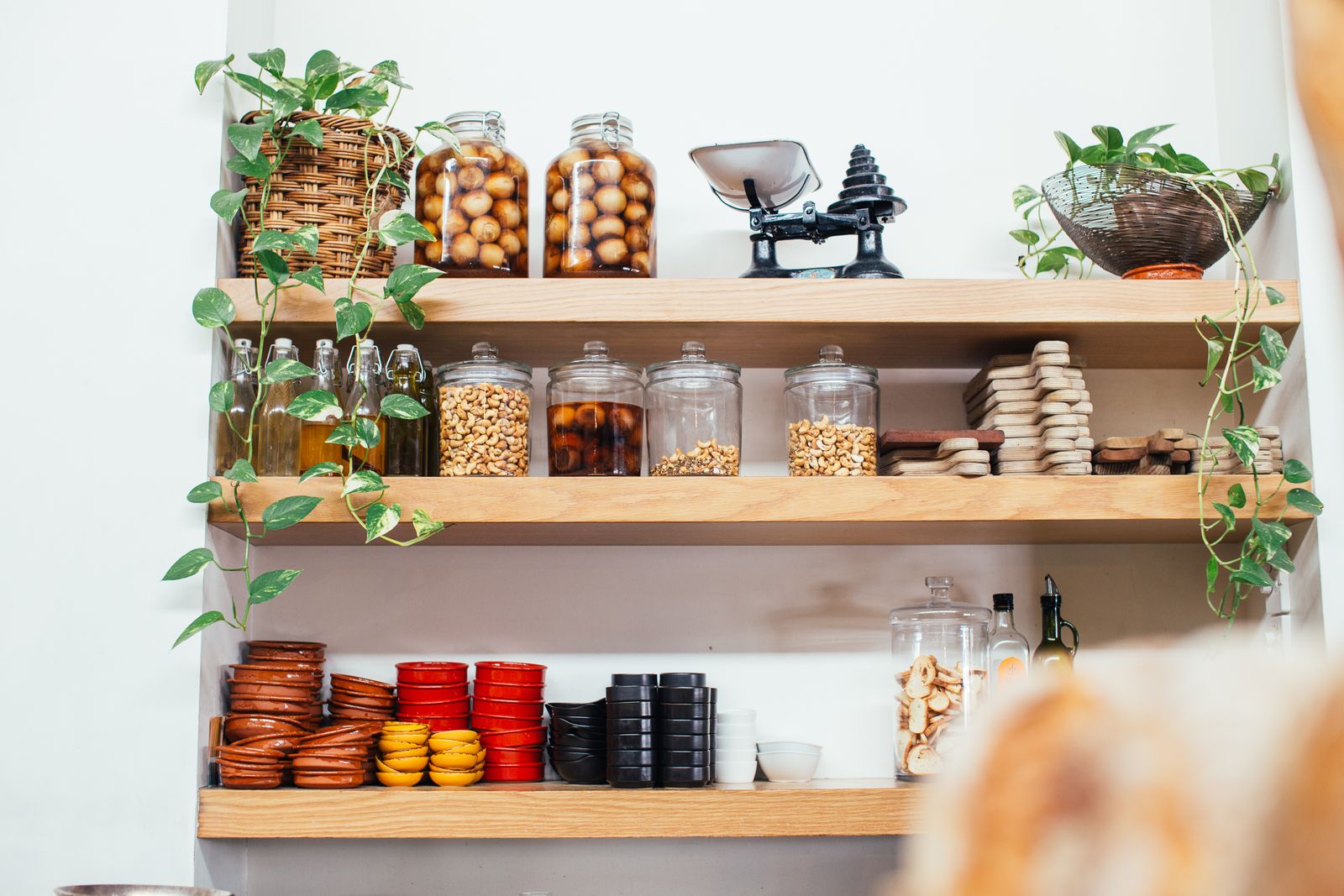
You open the pantry to grab olive oil and find two unopened bottles behind the one you’re using. Sound familiar? It’s not carelessness — it’s that grocery shopping asks you to remember the state of forty different items across every room in your house, from memory, while standing in a fluorescent-lit aisle under time pressure. Nobody’s memory is built for that.
Why it keeps happening
The usual advice — “check your pantry before you shop” — assumes you’ll actually do a full inventory walkthrough before every trip. Most people don’t, because it’s tedious and easy to skip when you’re in a hurry. And even a quick glance misses what’s tucked behind something else, or what you used up three days ago and mentally forgot to “remove” from your internal list.
The result isn’t random — it’s predictable. The items you duplicate are almost always the ones you buy often enough to lose track of: condiments, spices, canned goods, cleaning supplies. The stuff that blends into the background until there’s three of it.
The fix isn't a better memory — it's not needing one
The actual fix is separating two things people usually do in their head at the same time: tracking what you have, and deciding what you need. If something tracks the first part automatically, the second part stops being guesswork.
That’s the idea behind GrocerSage’s pantry tracking — every purchase you scan or log quietly updates what you actually have on hand, so your shopping list can flag “you’re probably low on this” instead of you trying to remember it standing in aisle 7. You stop shopping from memory and start shopping from what’s actually true.
Three habits that help even without an app
- Keep frequently-duplicated items (condiments, spices, canned goods) in one dedicated spot, not scattered — it’s much easier to eyeball “do I have this” when there’s only one place to look.
- Snap a photo of your pantry/fridge shelves before you shop. A 10-second photo beats a rushed mental scan, and you can zoom in at the store.
- Write down what you use up the moment it runs out, not “whenever you think of it.” The gap between using the last of something and writing it down is exactly where duplicates get bought.
None of these need to be perfect — they just need to move the tracking out of your head, which is the actual root cause. GrocerSage does this automatically, so the list is already right by the time you open the app.